In recent decades, the United States has faced a wide range of public health challenges, from seasonal influenza outbreaks to global pandemics such as COVID-19. These experiences have made one thing increasingly clear: preventing disease is not solely the responsibility of hospitals or government agencies. Instead, it requires a collective effort that involves individuals, families, communities, and institutions working together. Community-based disease prevention is therefore not just a strategy—it is a necessity for building a healthier, more resilient society.
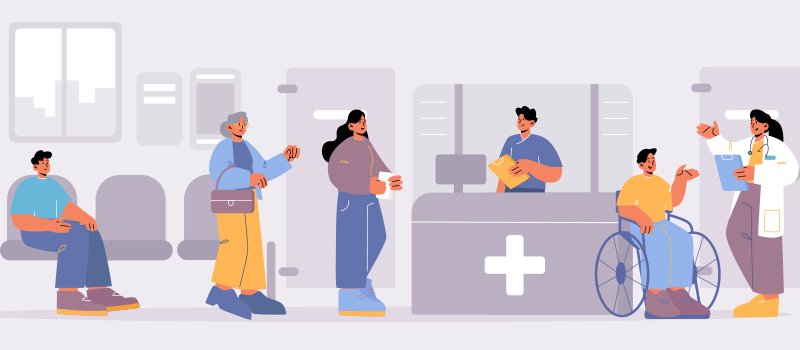
At its core, disease prevention in the community focuses on reducing risk factors, promoting healthy behaviors, and ensuring equitable access to healthcare resources. While medical advancements have significantly improved treatment outcomes, prevention remains the most cost-effective and humane approach. It saves lives, reduces healthcare costs, and strengthens social cohesion. In the United States, where diversity in culture, socioeconomic status, and geography is vast, community-level interventions must be adaptable, inclusive, and culturally sensitive.
One of the most important aspects of disease prevention is public education. Knowledge empowers individuals to make informed decisions about their health. In the U.S., public health campaigns have long played a crucial role in raising awareness about issues such as vaccination, hygiene, nutrition, and chronic disease prevention. For example, campaigns encouraging handwashing, mask-wearing, and vaccination during the COVID-19 pandemic demonstrated how quickly information can influence behavior when communicated effectively.
However, education alone is not enough. Information must be accessible, clear, and trustworthy. In recent years, misinformation—especially through social media—has posed a significant barrier to effective disease prevention. False claims about vaccines or treatments can spread rapidly, undermining public trust and leading to harmful consequences. Addressing this issue requires collaboration between healthcare professionals, educators, media organizations, and community leaders to ensure that accurate information reaches the public. Trust is built not only through facts but also through consistent, transparent communication.
Another critical component of community disease prevention is vaccination. Vaccines have been one of the most successful public health interventions in history, preventing millions of deaths worldwide. In the United States, vaccination programs have significantly reduced the incidence of diseases such as measles, polio, and whooping cough. Yet, vaccine hesitancy remains a challenge in some communities.
To address this, public health strategies must go beyond simply providing vaccines. They must engage with communities, understand their concerns, and build relationships based on respect and empathy. For instance, partnering with local leaders—such as religious figures, school officials, or community organizers—can help bridge gaps in trust. When people hear health messages from someone they know and respect, they are more likely to listen and take action.
Access to healthcare services is another fundamental factor in disease prevention. In the United States, disparities in healthcare access remain a significant issue. Rural communities, low-income populations, and minority groups often face barriers such as limited healthcare facilities, lack of insurance, and transportation challenges. These barriers can delay diagnosis and treatment, allowing diseases to spread more easily.
Community health centers play a vital role in addressing these disparities. They provide affordable, accessible care to underserved populations and often serve as a first point of contact for preventive services such as screenings, vaccinations, and health education. Expanding the reach of these centers, along with mobile clinics and telehealth services, can help ensure that more people receive the care they need.
In addition to healthcare access, environmental factors also play a significant role in disease prevention. Clean air, safe drinking water, proper sanitation, and healthy housing conditions are all essential for maintaining public health. In urban areas, overcrowding and pollution can increase the risk of infectious diseases and chronic conditions such as asthma. In rural areas, limited infrastructure can pose challenges for sanitation and access to clean water.
Addressing these issues requires coordinated efforts at multiple levels of government, as well as community involvement. Policies that promote environmental health—such as regulations on air quality, water safety, and waste management—are crucial. At the same time, community initiatives such as neighborhood clean-up programs and local environmental advocacy can make a meaningful difference.
Behavioral factors are equally important in disease prevention. Lifestyle choices such as diet, physical activity, smoking, and alcohol consumption have a significant impact on health outcomes. In the United States, chronic diseases such as heart disease, diabetes, and obesity are major public health concerns, and many of these conditions are preventable through healthy behaviors.
Promoting healthy lifestyles requires more than just individual willpower. It also depends on the environment in which people live. For example, access to affordable, nutritious food is essential for maintaining a healthy diet. However, in some communities—often referred to as “food deserts”—fresh fruits and vegetables may be difficult to obtain. Similarly, safe spaces for physical activity, such as parks and recreational facilities, are not equally available in all neighborhoods.
Community-based programs can help address these challenges by creating supportive environments for healthy living. Initiatives such as community gardens, local farmers’ markets, and exercise programs can encourage healthier habits while also strengthening social connections. Schools also play a crucial role by incorporating health education and physical activity into their curricula.
Emergency preparedness is another key aspect of disease prevention. The COVID-19 pandemic highlighted the importance of being ready to respond quickly and effectively to public health crises. This includes having systems in place for disease surveillance, testing, contact tracing, and resource distribution. It also involves ensuring that communities are informed and prepared to take appropriate actions during emergencies.
Community engagement is essential in this context. When people understand the risks and know what to do, they are more likely to cooperate with public health measures. Building this understanding requires ongoing communication and education, not just during crises but also in times of stability. Preparedness is not a one-time effort; it is an ongoing process that involves continuous learning and adaptation.
Equity must be at the center of all disease prevention efforts. The COVID-19 pandemic exposed significant disparities in health outcomes among different populations in the United States. Minority communities, particularly African American, Hispanic, and Native American populations, were disproportionately affected. These disparities are rooted in broader social determinants of health, such as income, education, housing, and access to healthcare.
Addressing these issues requires a comprehensive approach that goes beyond the healthcare system. Policies that promote social and economic equity—such as improving education, creating job opportunities, and ensuring affordable housing—are essential for improving health outcomes. At the community level, programs that focus on culturally competent care and targeted interventions can help reduce disparities.
Technology also plays an increasingly important role in disease prevention. Digital tools such as health apps, wearable devices, and telemedicine platforms can help individuals monitor their health and access care more easily. During the COVID-19 pandemic, technology enabled remote consultations, online health education, and data-driven decision-making.
However, the benefits of technology are not equally distributed. The digital divide—differences in access to internet and technology—can limit the effectiveness of these tools in certain communities. Ensuring equitable access to digital resources is therefore an important part of modern public health strategies.
Community partnerships are the backbone of effective disease prevention. Collaboration between government agencies, healthcare providers, schools, businesses, and non-profit organizations can create a network of support that reaches all segments of the population. Each stakeholder brings unique resources and perspectives, and working together allows for more comprehensive and sustainable solutions.
For example, schools can serve as hubs for health education and vaccination programs. Businesses can promote workplace wellness initiatives. Faith-based organizations can provide support and outreach to vulnerable populations. By leveraging these partnerships, communities can create a coordinated approach to disease prevention that addresses multiple aspects of health.
Ultimately, disease prevention is about more than avoiding illness—it is about promoting well-being and quality of life. It requires a shift in mindset from reactive to proactive, from treating disease to preventing it. This shift is not always easy, especially in a system that has traditionally focused on medical treatment. However, the long-term benefits are undeniable.
In conclusion, preventing disease in the United States requires a comprehensive, community-centered approach that addresses education, access to care, environmental factors, behavior, equity, and collaboration. It is a shared responsibility that involves individuals, communities, and institutions working together toward a common goal. By investing in prevention and strengthening community resilience, the United States can build a healthier future for all its citizens.
The lessons learned from past public health challenges provide a valuable foundation for moving forward. While no system is perfect, continuous improvement, innovation, and commitment to equity can help ensure that communities are better prepared to prevent and respond to disease. In the end, the strength of a nation’s health lies not only in its medical capabilities but also in the collective actions of its people.
Get New Articles Every Week
Subscribe to receive the latest WordPress and SEO tips.