The United States healthcare system is one of the most complex in the world, combining private insurance, employer-sponsored coverage, and a wide range of public programs designed to assist vulnerable populations. While access to healthcare can be costly and uneven, the U.S. government—at both federal and state levels—offers numerous healthcare support programs aimed at improving affordability and accessibility. These programs play a critical role in ensuring that millions of Americans, especially low-income individuals, the elderly, children, and people with disabilities, receive essential medical services. This essay explores the major healthcare support programs available in the United States, including Medicare, Medicaid, the Children’s Health Insurance Program (CHIP), Affordable Care Act (ACA) marketplace subsidies, and various community-based and supplemental programs.
1. Medicare: Coverage for the Elderly and Disabled
Medicare is a federal health insurance program primarily designed for individuals aged 65 and older, as well as certain younger people with disabilities or specific medical conditions such as End-Stage Renal Disease (ESRD) and Amyotrophic Lateral Sclerosis (ALS). Established in 1965, Medicare has become one of the most important pillars of the U.S. healthcare system.
Medicare is divided into several parts:
- Part A (Hospital Insurance): Covers inpatient hospital stays, skilled nursing facility care, hospice, and some home health services.
- Part B (Medical Insurance): Covers outpatient care, doctor visits, preventive services, and medical equipment.
- Part C (Medicare Advantage): Offered by private insurers, these plans bundle Parts A and B and often include additional benefits like vision, dental, and prescription drugs.
- Part D (Prescription Drug Coverage): Helps cover the cost of prescription medications.
While Medicare provides broad coverage, it does not cover all medical expenses. Beneficiaries often purchase supplemental insurance, known as Medigap, to cover out-of-pocket costs such as deductibles and copayments. Despite its limitations, Medicare significantly reduces healthcare costs for older Americans and ensures access to essential services.
2. Medicaid: A Safety Net for Low-Income Individuals
Medicaid is a joint federal and state program that provides health coverage to low-income individuals and families. Unlike Medicare, which is age-based, Medicaid eligibility is primarily income-based. Each state administers its own Medicaid program within federal guidelines, leading to variations in coverage and eligibility across the country.
Medicaid covers a wide range of services, including hospital care, physician services, long-term care, mental health services, and preventive care. It is particularly important for vulnerable populations such as pregnant women, children, people with disabilities, and elderly individuals who require long-term care.
One of the most significant expansions of Medicaid occurred under the Affordable Care Act (ACA) in 2010. The ACA allowed states to expand Medicaid eligibility to individuals with incomes up to 138% of the federal poverty level. While many states adopted this expansion, some chose not to, creating disparities in access depending on geographic location.
Medicaid plays a crucial role in reducing health disparities and improving health outcomes for millions of Americans who would otherwise be uninsured.
3. Children’s Health Insurance Program (CHIP)
The Children’s Health Insurance Program (CHIP) was created in 1997 to provide health coverage for children in families who earn too much to qualify for Medicaid but cannot afford private insurance. CHIP is also jointly funded by federal and state governments and administered at the state level.
CHIP covers a broad range of services, including routine check-ups, immunizations, dental care, vision care, and emergency services. It has been highly successful in reducing the number of uninsured children in the United States and improving access to preventive care.
In many states, CHIP also covers pregnant women, further expanding its impact on maternal and child health. The program is widely regarded as one of the most effective public health initiatives in the country.
4. The Affordable Care Act (ACA) and Health Insurance Marketplaces
The Affordable Care Act (ACA), enacted in 2010, represents one of the most significant healthcare reforms in U.S. history. Its primary goal was to expand access to affordable health insurance and reduce the number of uninsured Americans.
One of the ACA’s key features is the creation of health insurance marketplaces (also known as exchanges), where individuals and families can compare and purchase insurance plans. These marketplaces offer several levels of coverage—Bronze, Silver, Gold, and Platinum—each with different premiums and out-of-pocket costs.
To make coverage more affordable, the ACA provides premium tax credits and cost-sharing reductions to eligible individuals based on income. These subsidies significantly lower the cost of insurance for millions of Americans.
Additionally, the ACA introduced important consumer protections, such as:
- Prohibiting insurance companies from denying coverage due to pre-existing conditions.
- Allowing young adults to remain on their parents’ insurance plans until age 26.
- Requiring plans to cover essential health benefits, including preventive services, maternity care, and mental health services.
The ACA has dramatically reduced the uninsured rate in the United States and improved access to healthcare services.
5. Veterans Health Administration (VA)
The U.S. Department of Veterans Affairs (VA) provides healthcare services to eligible military veterans through the Veterans Health Administration (VHA). The VA operates one of the largest integrated healthcare systems in the country, offering services such as primary care, specialized treatments, mental health services, and rehabilitation.
Eligibility for VA healthcare depends on factors such as military service history, disability status, and income level. Veterans with service-connected disabilities often receive priority access and reduced costs.
The VA has made significant strides in areas such as mental health care, particularly for conditions like post-traumatic stress disorder (PTSD). While the system has faced challenges related to wait times and resource allocation, it remains a vital source of care for millions of veterans.
6. Community Health Centers and Free Clinics
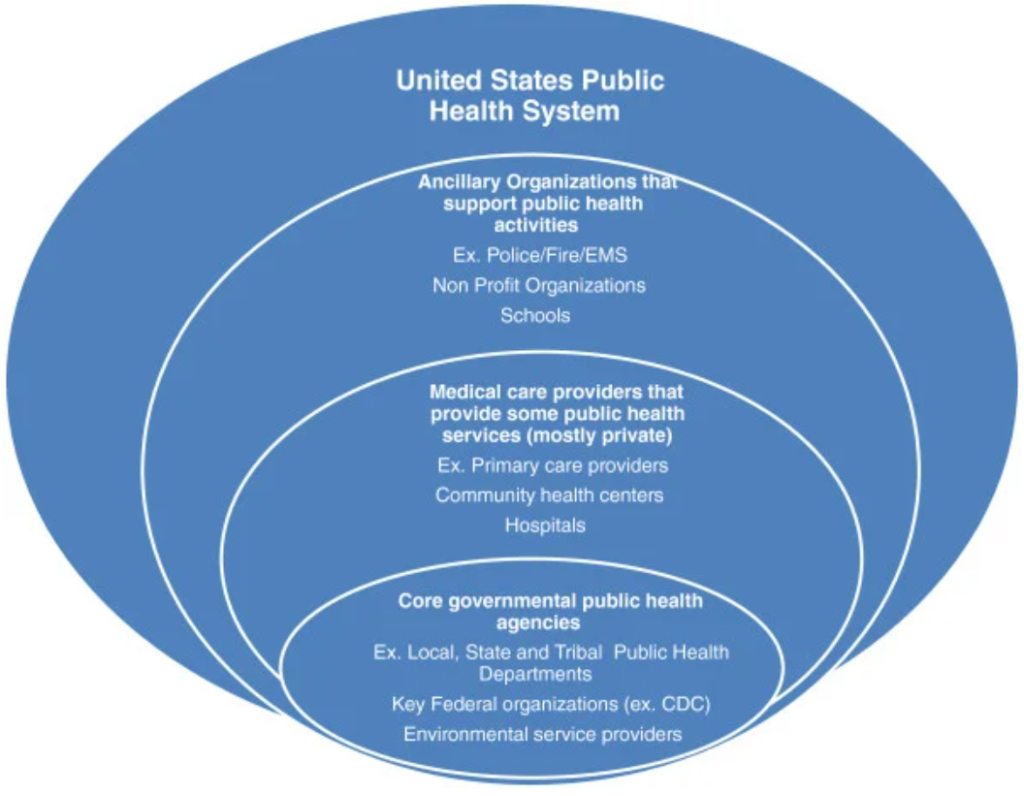
Community Health Centers (CHCs) and free or charitable clinics provide essential healthcare services to underserved populations, including uninsured and underinsured individuals. Funded in part by the federal government, CHCs offer services on a sliding fee scale based on income.
These centers provide a wide range of services, including primary care, dental care, mental health services, and preventive care. They are especially important in rural and low-income urban areas where access to healthcare providers may be limited.
Free clinics, often operated by nonprofit organizations and staffed by volunteer healthcare professionals, offer basic medical services at no cost or minimal cost. While they may have limited resources, they play a crucial role in filling gaps in the healthcare system.
7. Supplemental Nutrition and Health Programs
In addition to direct healthcare coverage, the U.S. government offers programs that support overall health and well-being. These include:
- Women, Infants, and Children (WIC): Provides nutritional support, education, and healthcare referrals for low-income pregnant women, new mothers, and young children.
- Supplemental Nutrition Assistance Program (SNAP): Helps low-income individuals and families afford food, which is essential for maintaining good health.
- Ryan White HIV/AIDS Program: Provides medical care and support services for individuals living with HIV/AIDS who lack sufficient health coverage.
These programs address the social determinants of health, recognizing that factors such as nutrition and income significantly impact health outcomes.
8. Mental Health and Substance Abuse Programs
Mental health and substance use disorders are major public health concerns in the United States. To address these issues, several federal and state programs provide support:
- Substance Abuse and Mental Health Services Administration (SAMHSA): Offers grants and programs to improve access to mental health and addiction treatment services.
- Medicaid and Medicare Coverage: Both programs cover many mental health services, including therapy and psychiatric care.
- 988 Suicide & Crisis Lifeline: A nationwide hotline providing immediate support for individuals in crisis.
The ACA also requires most insurance plans to cover mental health and substance use services as essential benefits, improving access to care.
9. State and Local Programs
In addition to federal programs, many states and local governments offer their own healthcare initiatives. These may include expanded Medicaid programs, state-funded insurance plans, and public health services such as immunization programs and disease prevention efforts.
Some states, like California and Massachusetts, have implemented additional measures to expand coverage and reduce healthcare costs. These initiatives often serve as models for national policy.
Conclusion
Healthcare support programs in the United States form a complex but vital safety net that helps millions of people access medical care. Programs such as Medicare, Medicaid, CHIP, and ACA marketplace subsidies provide essential coverage for diverse populations, while community health centers and supplemental programs address broader health needs.
Despite these efforts, challenges remain, including disparities in access, rising healthcare costs, and variations in coverage across states. However, the continued evolution of these programs reflects an ongoing commitment to improving healthcare access and outcomes for all Americans.
Understanding these programs is crucial not only for policymakers and healthcare professionals but also for individuals seeking to navigate the healthcare system. As the United States continues to grapple with healthcare reform, these support programs will remain central to the goal of achieving a more equitable and accessible healthcare system.
Get New Articles Every Week
Subscribe to receive the latest WordPress and SEO tips.