Introduction
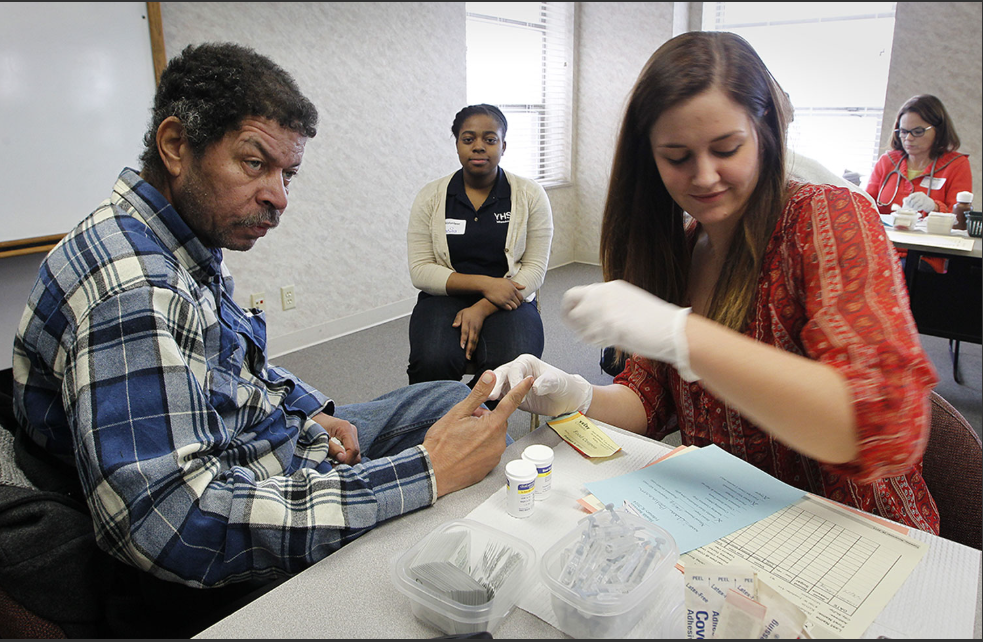
Access to healthcare is a fundamental human need, yet in the United States, millions of people struggle to afford medical services. For low-income individuals and families, the high cost of healthcare can lead to delayed treatment, worsening health conditions, and financial hardship.
Despite being one of the most advanced healthcare systems in the world, the U.S. also has significant disparities in access to care. To address these challenges, the government and various organizations have developed programs and initiatives designed to provide affordable or free healthcare services to those in need.
This article explores the healthcare landscape for low-income individuals in the United States, including available programs, key challenges, and possible solutions to improve access and outcomes.
Understanding Healthcare Inequality in the U.S.
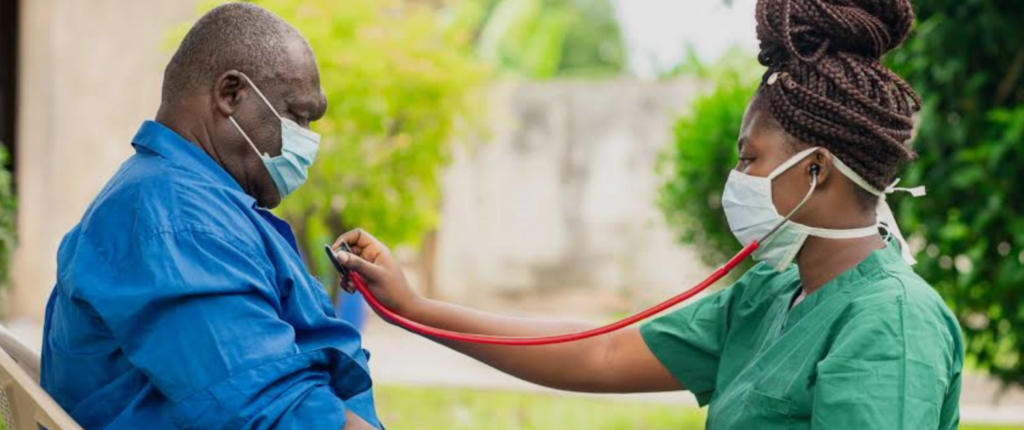
Healthcare inequality refers to the differences in access to medical services and health outcomes among different populations. In the United States, income level is one of the most significant factors affecting access to healthcare.
Low-income individuals are more likely to:
- Lack health insurance
- Delay seeking medical care
- Experience chronic health conditions
- Face barriers such as transportation and language
These disparities can result in poorer overall health and increased long-term costs for both individuals and the healthcare system.
Major Healthcare Programs for Low-Income Individuals
The U.S. government provides several programs to support low-income populations.
1. Medicaid
Medicaid is the largest public health insurance program for low-income Americans. It provides free or low-cost coverage for:
- Children
- Pregnant women
- Seniors
- People with disabilities
- Low-income adults
Medicaid covers a wide range of services, including doctor visits, hospital stays, and long-term care.
2. Children’s Health Insurance Program (CHIP)
CHIP is designed for children in families whose income is too high for Medicaid but still too low to afford private insurance.
This program ensures that millions of children have access to:
- Routine check-ups
- Vaccinations
- Emergency services
- Dental and vision care
3. Affordable Care Act (ACA)
The Affordable Care Act (ACA), also known as Obamacare, expanded access to healthcare through:
- Health insurance marketplaces
- Subsidies for low-income individuals
- Medicaid expansion in many states
The ACA significantly reduced the number of uninsured Americans.
4. Community Health Centers
Community health centers play a crucial role in serving low-income populations. These centers offer:
- Primary care services
- Preventive care
- Mental health support
- Sliding-scale fees based on income
They are often located in underserved areas and provide care regardless of ability to pay.
Key Challenges Faced by Low-Income Individuals
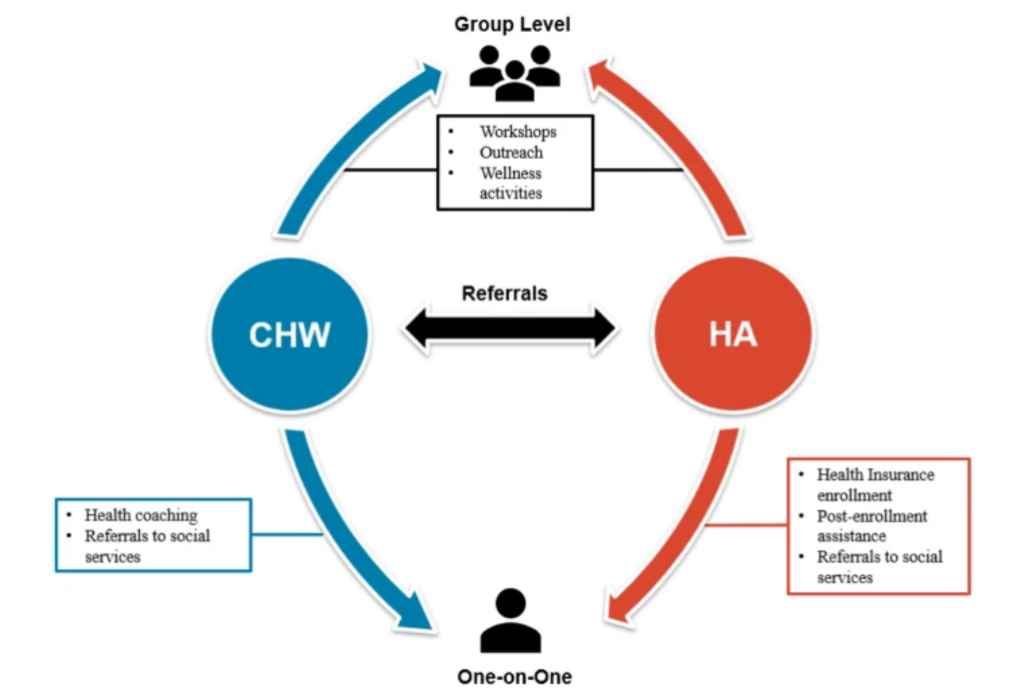
Despite the availability of programs, many barriers still exist.
High Cost of Healthcare
Even with insurance, out-of-pocket costs such as deductibles, copayments, and medications can be unaffordable.
Limited Access to Providers
In some areas, especially rural communities, there are fewer healthcare providers who accept Medicaid or offer low-cost services.
Lack of Awareness
Many individuals are unaware of the programs available to them or how to apply.
Transportation Barriers
Getting to healthcare facilities can be difficult without reliable transportation, especially in rural areas.
Language and Cultural Barriers
Non-English speakers may struggle to communicate with healthcare providers, affecting the quality of care they receive.
The Role of Preventive Care
Preventive care is essential for reducing healthcare costs and improving long-term outcomes.
Examples include:
- Vaccinations
- Health screenings
- Routine check-ups
For low-income individuals, access to preventive care can help avoid more serious and expensive health problems in the future.
The Impact of Medicaid Expansion
The expansion of Medicaid under the Affordable Care Act has had a significant impact.
States that expanded Medicaid have seen:
- Increased insurance coverage
- Improved access to healthcare
- Better health outcomes
- Reduced financial burden on patients
However, not all states have adopted expansion, leading to differences in access across the country.
The Role of Nonprofit Organizations
Nonprofit organizations also play a vital role in supporting low-income individuals.
They provide:
- Free clinics
- Health education
- Financial assistance programs
- Outreach services
These organizations often work alongside government programs to fill gaps in coverage.
Technology and Telehealth
Telehealth has become increasingly important, especially after the COVID-19 pandemic.
Benefits include:
- Easier access to doctors
- Reduced transportation needs
- Lower costs
Telehealth can be especially beneficial for low-income individuals who face logistical challenges.
Policy and Future Improvements
Improving healthcare access for low-income individuals requires continued policy efforts.
Possible solutions include:
- Expanding Medicaid in all states
- Increasing funding for community health centers
- Reducing prescription drug costs
- Enhancing public awareness programs
- Improving healthcare infrastructure in underserved areas
How to Access Healthcare Services
Low-income individuals can take several steps to access healthcare:
- Apply for Medicaid through their state website
- Explore ACA marketplace options
- Visit community health centers
- Seek assistance from local nonprofit organizations
- Use telehealth services when available
Understanding available resources is the first step toward receiving proper care.
Conclusion
Healthcare access for low-income individuals in the United States remains a complex and evolving issue. While programs like Medicaid, CHIP, and the Affordable Care Act have significantly improved access, many challenges still persist.
Addressing these challenges requires a combination of government action, community support, and individual awareness. By continuing to expand coverage, improve affordability, and increase access to care, the United States can move toward a more equitable healthcare system for all.
Ensuring that every individual—regardless of income—has access to quality healthcare is not only a moral responsibility but also a crucial step toward building a healthier society.
Get New Articles Every Week
Subscribe to receive the latest WordPress and SEO tips.