Meta Description:
Learn everything about Medicaid in the United States: eligibility, benefits, history, coverage, and how millions of Americans receive affordable healthcare through this government program.
Introduction

Healthcare in the United States is known for being expensive and complex. For millions of Americans with limited income, paying for medical care would be nearly impossible without government assistance. One of the most important programs designed to address this challenge is Medicaid.
Medicaid is a public health insurance program that provides medical coverage to low-income individuals and families, including children, pregnant women, elderly adults, and people with disabilities. It is jointly funded by the federal government and individual states, although each state manages its own program within federal guidelines.
Since its creation in 1965, Medicaid has become the largest source of health coverage for low-income Americans, serving tens of millions of people and playing a vital role in the U.S. healthcare system.
In this article, we will explore everything you need to know about Medicaid, including its history, eligibility requirements, benefits, funding, and its impact on healthcare in the United States.
What Is Medicaid?

Medicaid is a government-funded health insurance program designed to provide free or low-cost healthcare coverage to people with limited income and resources.
The program covers many essential medical services, including:
- Doctor visits
- Hospital care
- Preventive services
- Prescription drugs
- Mental health services
- Long-term care such as nursing homes
These services help millions of Americans receive necessary medical treatment that they otherwise might not be able to afford.
Today, Medicaid covers tens of millions of Americans, making it one of the largest public health insurance programs in the country.
History of Medicaid
The Creation of Medicaid (1965)

Medicaid was established in 1965 as part of the Social Security Amendments, signed into law by President Lyndon B. Johnson.
It was created alongside Medicare, another federal healthcare program, but the two programs serve different populations:
- Medicare: primarily for people aged 65 and older
- Medicaid: for individuals and families with limited income
The program was introduced during the “Great Society” reforms aimed at reducing poverty and improving social welfare in the United States.
Expansion of Medicaid

Over the decades, Medicaid has expanded significantly.
Originally, it only covered people receiving cash welfare benefits. However, Congress gradually expanded eligibility to include:
- Children
- Pregnant women
- Disabled individuals
- Low-income adults
A major expansion occurred in 2010 with the Affordable Care Act (ACA), which allowed many states to extend Medicaid coverage to adults with incomes up to 138% of the federal poverty level.
This expansion greatly increased access to healthcare for millions of Americans.
Who Qualifies for Medicaid?

Eligibility for Medicaid depends on several factors, including income level, family size, and specific categories of need.
Although federal guidelines exist, each state has flexibility in setting eligibility rules.
Common groups eligible for Medicaid include:
1. Low-Income Adults
Many states offer Medicaid to adults whose income falls below a certain percentage of the federal poverty level.
2. Children
Medicaid provides health coverage for millions of children from low-income families. In fact, a large share of Medicaid enrollees are children.
3. Pregnant Women
Pregnant women with limited income often qualify for Medicaid coverage, which helps cover prenatal care, delivery, and postpartum services.
4. Seniors (65+)
Some elderly individuals qualify for Medicaid if they have low income and limited financial resources.
5. People with Disabilities
Medicaid provides essential support for people with disabilities, including long-term care and medical services.
What Services Does Medicaid Cover?
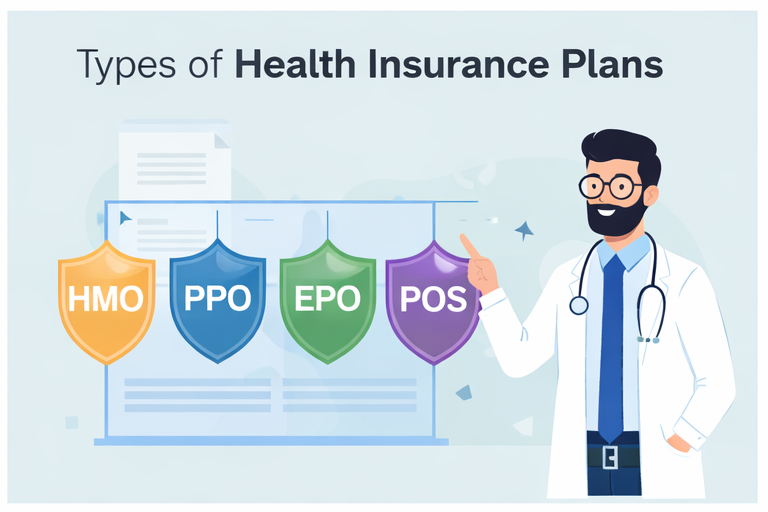
Medicaid covers a wide range of healthcare services designed to improve health outcomes and provide financial protection.
Common benefits include:
Hospital Services
- Inpatient hospital care
- Emergency services
Physician Services
- Doctor visits
- Preventive screenings
- Diagnostic tests
Prescription Drugs
Many Medicaid programs cover prescription medications.
Mental Health Services
Mental health counseling, therapy, and psychiatric services may be included.
Long-Term Care
Medicaid is one of the largest payers for nursing home care and long-term care services in the United States.
This coverage is essential for elderly individuals and people with disabilities who require ongoing care.
How Medicaid Is Funded
Medicaid is jointly financed by state governments and the federal government.
The federal government provides a percentage of funding known as the Federal Medical Assistance Percentage (FMAP).
Key features of Medicaid funding include:
- The federal government covers a large portion of the costs.
- States contribute the remaining funding.
- Funding levels vary by state depending on economic conditions.
Medicaid accounts for a significant share of U.S. healthcare spending, making it a major component of state budgets and the national healthcare system.
The Impact of Medicaid on the U.S. Healthcare System
Medicaid has had a profound impact on healthcare access in the United States.
Improved Access to Healthcare
Millions of Americans who previously lacked health insurance now have access to essential medical services.
Support for Hospitals
Hospitals and healthcare providers rely heavily on Medicaid funding to treat low-income patients.
Coverage for Births
Medicaid pays for a large share of births in the United States, demonstrating its critical role in maternal and child healthcare.
Long-Term Care Support
Medicaid is the primary payer for many long-term care services such as nursing homes.
Medicaid vs Medicare: Key Differences

Many people confuse Medicaid with Medicare. While both are government healthcare programs, they serve different populations.
| Feature | Medicaid | Medicare |
|---|---|---|
| Primary Audience | Low-income individuals | Seniors (65+) |
| Funding | Federal + state | Federal |
| Eligibility | Income-based | Age-based |
| Administration | Managed by states | Managed federally |
Understanding these differences is important when exploring healthcare coverage options in the United States.
Challenges Facing Medicaid
Despite its benefits, Medicaid faces several challenges.
Rising Healthcare Costs
Healthcare expenses in the U.S. continue to rise, putting pressure on Medicaid budgets.
Policy Changes
Changes in federal and state policies can affect eligibility requirements and funding levels.
State Differences
Because states manage their own programs, Medicaid coverage can vary widely depending on where a person lives.
The Future of Medicaid
Medicaid will likely remain a central part of the American healthcare system.
Future changes may focus on:
- Expanding access to coverage
- Improving healthcare quality
- Reducing healthcare costs
- Increasing preventive care
Innovations such as telemedicine, data analytics, and improved care coordination may also play an important role in improving Medicaid services.
How to Apply for Medicaid
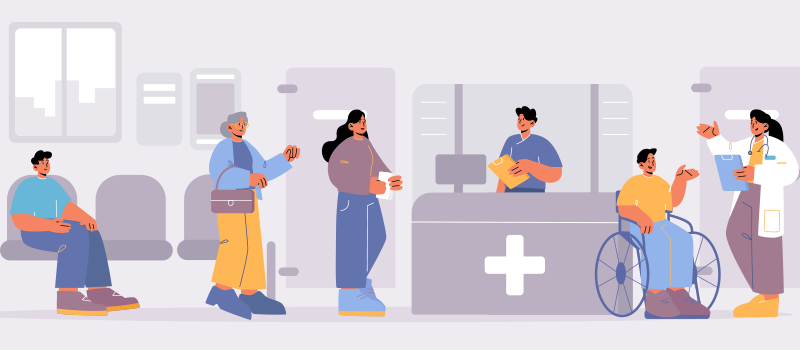
Individuals can apply for Medicaid in several ways:
- Through the Health Insurance Marketplace
- On their state Medicaid website
- At local social service offices
Applications typically require information about:
- Household income
- Family size
- Residency status
- Employment information
Medicaid enrollment is available year-round, unlike many private insurance plans that have limited enrollment periods.
Conclusion
Medicaid is one of the most important healthcare programs in the United States. For decades, it has provided essential medical coverage to millions of Americans who might otherwise be unable to afford healthcare.
By offering services ranging from preventive care to long-term medical support, Medicaid improves health outcomes, reduces financial stress, and strengthens the healthcare system.
As healthcare continues to evolve, Medicaid will remain a vital safety net for low-income families, children, seniors, and people with disabilities across the nation.
Understanding how Medicaid works can help individuals and families access the healthcare coverage they need and make informed decisions about their health and financial security.
Read more:
Preventive Healthcare Services in America: A Key to Long-Term Wellness
Community Health Care in the U.S.: Importance, Services, and Challenges
Get New Articles Every Week
Subscribe to receive the latest WordPress and SEO tips.