Introduction
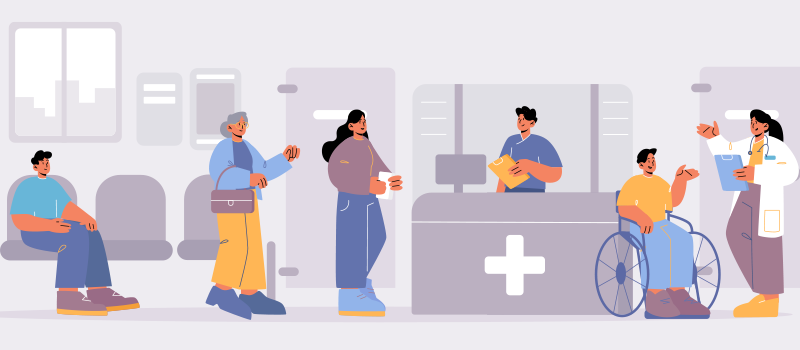
Preventive healthcare services play a critical role in improving the overall health of the population in the United States. Rather than focusing solely on treating illnesses after they occur, preventive healthcare emphasizes early detection, risk reduction, and lifestyle improvements to prevent diseases before they become serious health problems.
In recent years, preventive care has become one of the most important priorities within the American healthcare system. Rising healthcare costs, increasing rates of chronic diseases, and an aging population have made prevention a crucial strategy for ensuring sustainable healthcare delivery.
Preventive healthcare services include routine screenings, vaccinations, health counseling, and lifestyle interventions designed to detect potential health issues early. By identifying risks and providing early treatment, preventive care helps reduce hospitalizations, lower healthcare costs, and improve quality of life.
This article explores the importance of preventive healthcare services in America, the types of services available, the role of healthcare providers, and the future of prevention in the U.S. healthcare system.
What Is Preventive Healthcare?
Preventive healthcare refers to medical services and strategies designed to prevent illnesses or detect health conditions at an early stage when they are easier to treat. The primary goal of preventive care is to help individuals maintain good health and avoid serious medical conditions.
Preventive healthcare services typically fall into three main categories:
Primary Prevention
Primary prevention focuses on preventing diseases before they occur. These measures aim to reduce risk factors and promote healthy behaviors.
Examples include:
- Vaccinations
- Smoking cessation programs
- Nutrition counseling
- Physical activity programs
- Health education campaigns
Primary prevention helps individuals adopt healthier lifestyles and reduce their chances of developing chronic diseases.
Secondary Prevention
Secondary prevention focuses on early detection of diseases through screenings and medical tests.
Common examples include:
- Blood pressure checks
- Cholesterol testing
- Cancer screenings
- Diabetes testing
- Vision and hearing exams
These screenings help identify health problems before symptoms appear, allowing for early treatment.
Tertiary Prevention
Tertiary prevention focuses on managing existing health conditions to prevent complications and improve quality of life.
Examples include:
- Rehabilitation programs
- Chronic disease management
- Physical therapy
- Medication management
Together, these three levels of prevention form a comprehensive approach to maintaining health.
The Importance of Preventive Healthcare in America
Preventive healthcare plays a vital role in addressing some of the most pressing health challenges in the United States.
Reducing Chronic Diseases
Chronic diseases such as heart disease, diabetes, obesity, and cancer are among the leading causes of death in the United States. Many of these conditions are preventable or manageable through early detection and lifestyle changes.
Preventive services help identify risk factors such as high blood pressure, high cholesterol, and elevated blood sugar levels. By detecting these risks early, healthcare providers can recommend interventions that prevent disease progression.
Lowering Healthcare Costs
Healthcare costs in the United States are among the highest in the world. Preventive care helps reduce these costs by minimizing the need for expensive treatments and hospitalizations.
For example, routine screenings and lifestyle interventions can prevent complications that require costly medical procedures.
Studies have shown that preventive services can save billions of dollars in healthcare spending each year.
Improving Quality of Life
Preventive healthcare allows individuals to maintain better physical and mental health throughout their lives. By staying proactive about health, people can avoid many serious illnesses and enjoy longer, healthier lives.
Preventive care also helps individuals become more informed about their health and take an active role in maintaining their well-being.
Types of Preventive Healthcare Services in the United States
Preventive healthcare services in America cover a wide range of medical screenings, vaccinations, and counseling services.
Routine Health Screenings
Health screenings are an essential part of preventive care. These tests help detect diseases early before symptoms develop.
Common screenings include:
- Blood pressure tests
- Cholesterol screenings
- Diabetes screenings
- Cancer screenings (breast, colorectal, cervical)
- Osteoporosis screening
- Depression screening
Doctors typically recommend different screenings based on a person’s age, gender, and medical history.
Vaccinations and Immunizations
Vaccination programs are one of the most successful preventive healthcare measures in modern medicine.
Vaccines protect individuals and communities from infectious diseases such as:
- Influenza
- Measles
- Hepatitis
- COVID-19
- Tetanus
Children, adults, and elderly individuals all benefit from vaccination programs. Public health agencies in the United States work continuously to increase vaccination coverage across the population.
Preventive Counseling and Lifestyle Guidance
Healthcare providers often offer counseling services to help patients improve their lifestyle habits.
These services may include:
- Nutritional counseling
- Weight management programs
- Smoking cessation support
- Alcohol misuse counseling
- Mental health counseling
Lifestyle counseling is especially important in preventing chronic diseases related to diet, stress, and physical inactivity.
Preventive Healthcare for Different Age Groups

Preventive healthcare needs vary depending on age, gender, and health risks.
Preventive Care for Children
Preventive services for children focus on ensuring healthy growth and development.
Common services include:
- Routine pediatric checkups
- Childhood vaccinations
- Developmental screenings
- Vision and hearing tests
- Nutritional guidance
These services help identify developmental issues early and support healthy childhood development.
Preventive Care for Adults
Adults benefit from preventive care that focuses on detecting chronic diseases and maintaining overall health.
Important services include:
- Blood pressure monitoring
- Cholesterol testing
- Diabetes screening
- Cancer screenings
- Mental health assessments
Preventive care for adults also includes lifestyle counseling to reduce risk factors such as smoking, poor diet, and lack of exercise.
Preventive Care for Older Adults
As individuals age, preventive care becomes even more important.
Older adults often require screenings and preventive services such as:
- Bone density testing
- Fall risk assessments
- Cognitive health screenings
- Vaccinations for influenza and pneumonia
- Chronic disease management
These services help older adults maintain independence and quality of life.
The Role of Healthcare Providers
Healthcare providers play a crucial role in delivering preventive services. Primary care physicians, nurses, and other healthcare professionals work together to educate patients about preventive care.
Doctors often create personalized preventive care plans based on:
- Family medical history
- Lifestyle factors
- Age and gender
- Existing health conditions
Healthcare providers also encourage patients to schedule regular checkups and screenings.
Technology and Preventive Healthcare

Technology is transforming preventive healthcare in the United States.
Telehealth Services
Telehealth allows patients to consult healthcare providers remotely through video calls and digital platforms. This technology increases access to preventive care services, especially for people living in rural or underserved areas.
Wearable Health Devices
Wearable devices such as fitness trackers and smartwatches help individuals monitor their health in real time.
These devices can track:
- Physical activity
- Heart rate
- Sleep patterns
- Blood oxygen levels
By providing real-time health data, wearable technology encourages individuals to maintain healthier lifestyles.
Digital Health Records
Electronic health records (EHRs) allow healthcare providers to track patient health information over time. These records help doctors identify trends and recommend preventive care based on patient history.
Challenges in Preventive Healthcare
Despite its many benefits, preventive healthcare still faces several challenges in the United States.
Limited Access to Care
Some communities, particularly rural and low-income populations, may have limited access to preventive healthcare services. Transportation barriers, lack of insurance, and shortages of healthcare providers can make it difficult for individuals to receive preventive care.
Health Inequality
Socioeconomic factors can influence health outcomes. Individuals with limited access to education, nutritious food, or safe housing may face greater health risks.
Addressing these social determinants of health is essential for improving preventive healthcare outcomes.
Public Awareness
Many individuals still underestimate the importance of preventive care. Increasing public awareness through education campaigns can encourage more people to take advantage of preventive services.
The Future of Preventive Healthcare in America
Preventive healthcare will continue to play a central role in the future of the American healthcare system.
Several trends are shaping the future of preventive medicine:
- Increased use of digital health technology
- Personalized medicine based on genetic data
- Expanded telehealth services
- Greater focus on mental health prevention
- Community-based health programs
Healthcare systems are increasingly shifting from reactive treatment to proactive prevention.
By investing in preventive healthcare services, the United States can improve population health while reducing long-term healthcare costs.
Conclusion
Preventive healthcare services are a cornerstone of modern healthcare in the United States. By focusing on early detection, health education, and lifestyle improvements, preventive care helps individuals avoid serious illnesses and maintain long-term well-being.
Routine screenings, vaccinations, and preventive counseling empower individuals to take control of their health. At the same time, advances in technology and public health programs are making preventive services more accessible than ever before.
As the healthcare system continues to evolve, preventive healthcare will remain essential for building a healthier society. Encouraging individuals to prioritize preventive care today can lead to longer, healthier lives for future generations.
Read more:
Community Health Care in the U.S.: Importance, Services, and Challenges
Medicaid in the United States: A Complete Guide to Healthcare Coverage for Low-Income Americans
Get New Articles Every Week
Subscribe to receive the latest WordPress and SEO tips.