Introduction
Community health care plays a vital role in improving the well-being of millions of Americans. In a country as large and diverse as the United States, access to quality health services can vary greatly depending on factors such as location, income level, education, and social conditions. Community health care systems aim to bridge these gaps by focusing on prevention, accessibility, and coordinated care for populations that may otherwise face barriers to medical services.
Over the past several decades, community health initiatives have become an essential part of the U.S. health care landscape. From local clinics and public health programs to nonprofit organizations and government agencies, community health efforts focus on improving the health of entire populations rather than just treating individual illnesses.
This article explores the structure, importance, and future of community health care in the United States, highlighting how community-based health services are transforming the way Americans receive care.
What Is Community Health Care?
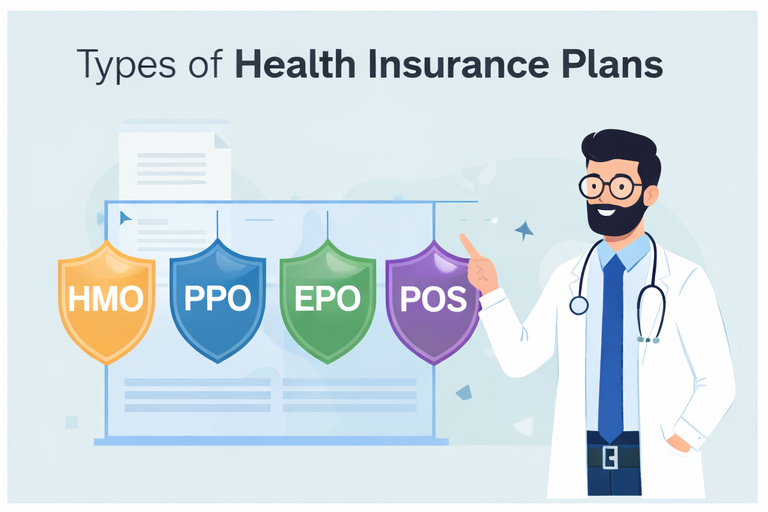
Community health care refers to a system of health services designed to improve the health of people within a specific geographic area or population group. Unlike traditional hospital-centered care, community health focuses on prevention, education, and accessible services that address the broader social determinants of health.
Community health programs typically include services such as:
- Preventive health screenings
- Vaccination programs
- Health education and awareness campaigns
- Maternal and child health services
- Chronic disease management
- Mental health support
- Substance abuse treatment
These services are often delivered through community health centers, public health departments, mobile clinics, nonprofit organizations, and local partnerships with hospitals and universities.
The goal of community health care is not only to treat illness but also to prevent disease and promote healthier lifestyles across entire communities.
The Importance of Community Health in the United States
Community health care is essential because it addresses health disparities and improves access to medical services for vulnerable populations.
In the United States, millions of people live in rural areas, low-income neighborhoods, or medically underserved regions. Without community health programs, many of these individuals would have limited access to basic medical care.
Community health initiatives help reduce these disparities by:
Improving Access to Care
Community health centers provide affordable health services regardless of a patient’s ability to pay. Many centers operate on a sliding fee scale, allowing patients to receive care based on their income level.
These centers are particularly important for:
- Uninsured individuals
- Low-income families
- Immigrants
- Rural populations
- Elderly individuals
According to federal health statistics, community health centers serve more than 30 million patients annually across the United States.
Preventing Disease
Preventive care is a cornerstone of community health. By focusing on early detection and prevention, community programs can reduce the long-term burden of chronic diseases such as diabetes, heart disease, and hypertension.
Preventive services often include:
- Blood pressure screenings
- Diabetes testing
- Cancer screenings
- Immunizations
- Nutrition counseling
Early intervention can significantly reduce health care costs while improving long-term health outcomes.
Addressing Social Determinants of Health
Health outcomes are influenced by many factors beyond medical care. These include housing, education, employment, nutrition, and environmental conditions.
Community health programs often work with local organizations to address these social determinants. For example, a community clinic may collaborate with food banks, housing agencies, or schools to improve overall well-being.
This holistic approach recognizes that improving health requires addressing the broader conditions that affect people’s daily lives.
Community Health Centers: The Backbone of Local Care
Community health centers (CHCs) are one of the most important components of the U.S. community health system. These centers are nonprofit clinics that provide comprehensive primary care services to underserved populations.
CHCs offer a wide range of services, including:
- Primary medical care
- Dental services
- Behavioral health care
- Pharmacy services
- Preventive screenings
- Women’s health services
- Pediatric care
One of the defining characteristics of community health centers is their commitment to patient-centered care. Many centers employ multidisciplinary teams that include doctors, nurses, social workers, mental health professionals, and health educators.
Another unique feature is community governance. Many community health centers are governed by boards that include patients from the local community, ensuring that services reflect the needs of the population they serve.
Public Health Programs and Community Outreach

Public health departments play a major role in community health care. These government agencies work at the federal, state, and local levels to protect and improve population health.
Some key public health programs include:
Vaccination Programs
Vaccination programs have been one of the most successful public health initiatives in American history. Community-based vaccination campaigns help protect populations from diseases such as measles, influenza, COVID-19, and hepatitis.
Mobile vaccination clinics and school-based programs ensure that even hard-to-reach populations receive immunizations.
Health Education Initiatives
Education is a powerful tool in preventing disease. Community health workers and educators often conduct workshops, seminars, and outreach campaigns to promote healthier lifestyles.
Common topics include:
- Nutrition and healthy eating
- Physical activity
- Smoking cessation
- Substance abuse prevention
- Mental health awareness
Health education empowers individuals to make informed decisions about their well-being.
Maternal and Child Health Programs
Programs focused on maternal and child health are essential for ensuring healthy pregnancies and safe childhood development.
Community health services in this area often include:
- Prenatal care
- Parenting education
- Childhood immunizations
- Nutrition programs for mothers and infants
Programs such as Women, Infants, and Children (WIC) have helped improve nutrition and health outcomes for millions of families.
The Role of Community Health Workers
Community health workers (CHWs) are essential members of the health care workforce. These individuals often come from the communities they serve and act as a bridge between health providers and patients.
Their responsibilities may include:
- Providing health education
- Helping patients navigate the health system
- Assisting with appointment scheduling
- Offering cultural and language support
- Connecting patients with social services
Because community health workers understand local cultures and challenges, they can build trust and improve patient engagement.
Research has shown that CHWs can significantly improve health outcomes, particularly in underserved communities.
Technology and the Future of Community Health
Technology is transforming the way community health services are delivered. Digital tools and telehealth platforms are expanding access to care, particularly for people in remote or rural areas.
Some important technological advancements include:
Telemedicine
Telemedicine allows patients to consult with doctors remotely through video calls or mobile applications. This technology became especially important during the COVID-19 pandemic and continues to improve access to care.
For rural communities where hospitals may be hours away, telemedicine can provide timely medical advice and follow-up care.
Electronic Health Records
Electronic health records (EHRs) allow providers to share patient information across multiple health facilities. This improves coordination of care and reduces medical errors.
Community health centers increasingly use integrated health systems to manage patient data and track health outcomes.
Mobile Health Applications
Mobile health apps help individuals monitor their health through tools such as:
- Fitness tracking
- Medication reminders
- Blood pressure monitoring
- Mental health support
These digital tools encourage patients to take a more active role in managing their health.
Challenges Facing Community Health Care
Despite its many successes, community health care in the United States still faces several challenges.
Funding Limitations
Many community health programs rely on federal grants, state funding, and nonprofit support. Limited funding can restrict the expansion of services and infrastructure.
Workforce Shortages
There is an ongoing shortage of health care professionals, particularly in rural areas. Recruiting and retaining doctors, nurses, and mental health providers can be difficult for community clinics.
Health Inequality
Socioeconomic inequality continues to impact health outcomes across the country. Addressing these disparities requires sustained investment and coordinated efforts among government agencies, health providers, and community organizations.
Community Partnerships and Collaboration
One of the strengths of community health care is its collaborative nature. Successful programs often involve partnerships among multiple organizations, including:
- Hospitals and clinics
- Local governments
- Nonprofit organizations
- Schools and universities
- Faith-based organizations
- Private businesses
By working together, these groups can pool resources, share knowledge, and implement comprehensive health initiatives.
For example, a community health initiative may combine medical screenings with nutrition education, housing assistance, and employment support.
This integrated approach helps address the complex factors that influence health outcomes.
The Future of Community Health in America
As health care systems continue to evolve, community health will remain a critical component of improving national well-being.
Several trends are shaping the future of community health care:
- Increased focus on preventive care
- Expansion of telehealth services
- Greater integration of behavioral and physical health
- Data-driven public health strategies
- Community-centered health planning
By prioritizing prevention, accessibility, and community engagement, the United States can continue to build stronger, healthier communities.
Conclusion
Community health care is a cornerstone of the American health system. By focusing on prevention, accessibility, and population health, community-based programs play a crucial role in improving health outcomes for millions of people.
Through community health centers, public health initiatives, and local partnerships, the United States continues to expand access to care and reduce health disparities. While challenges remain, ongoing innovation and collaboration offer promising opportunities for the future.
Ultimately, the success of community health efforts depends on a shared commitment from health professionals, policymakers, and communities themselves. By working together, it is possible to create a healthier nation where every individual has the opportunity to live a long and healthy life.
Read more:
Preventive Healthcare Services in America: A Key to Long-Term Wellness
Medicaid in the United States: A Complete Guide to Healthcare Coverage for Low-Income Americans
Tags:
Community Health Care
Preventive Healthcare
Public Health
Primary Care
Healthcare Services
U.S. Healthcare System
Get New Articles Every Week
Subscribe to receive the latest WordPress and SEO tips.